
The poinsettia (/p??n's?ti?/p or /??n's?t?/) (Euphorbia pulcherrima) is a commercially important vegetable varieties of the diverse spurge family. The types is indigenous to Mexico. It is particularly popular for its renewable and red foliage and is also widely used in Xmas floral displays. It derives its common English name from Joel Roberts Poinsett,[3] the first United States Minister to Mexico,[4] who introduced the plant to the united states in 1825.
Euphorbia pulcherrima is a shrub or small tree, typically achieving a elevation of 0.6-4 metres (2 ft 0 in-13 ft 1 in). The place bears dark inexperienced dentate leaves that measure 7-16 centimetres (2.8-6.3 in) in length. The coloured bracts--which are most often flaming red but can be orange, pale green, cream, green, white, or marbled--are often mistaken for rose petals for their groupings and colors, but are actually leaves.[citation needed] The colors of the bracts are manufactured through photoperiodism, and therefore they might need darkness (12 hours at the same time for at least five days in a row) to improve color. At exactly the same time, the plants require considerable light throughout the day for the brightest color. The flowers of the poinsettia are unassuming and do not attract pollinators. They are grouped within small yellowish structures found in the center of every leaf bunch, and are called cyathia. The poinsettia is local to Mexico. It really is within the outrageous in deciduous tropical forests at average elevations from southern Sinaloa down the entire Pacific coast of Mexico to Chiapas and Guatemala. Additionally it is found in the inside in the hot, dry out forests of Guerrero seasonally, Oaxaca, and Chiapas. Reviews of E. pulcherrima growing in the wild in Costa and Nicaragua Rica have yet to be validated by botanists. You will find over 100 cultivated varieties of poinsettia.
The Aztecs used the plant to produce red dye and as an antipyretic medication. In Nahuatl, the language of the Aztecs, the plant is named Cuitlaxochitl, meaning "flower that grows in residues or soil" Today it is well known in Mexico and Guatemala as Flor de Noche Buena, meaning Christmas Eve Flower. In Spain it is known as Flor de Pascua or Pascua, meaning Easter flower. In Chile and Peru, the place became known as Crown of the Andes. In Turkey, it is named Atat?rk's bloom because Atat?rk, the founder of the Republic, liked this bloom and made a substantial contribution to its cultivation in Turkey.[citation needed] In Hungarian, it is called Santa Claus' Bloom, and it's widely used as a Holiday decoration.
The plant's association with Christmas began in 16th-century Mexico, where story tells of a girl, commonly called Pepita or Maria, who was simply too poor to give a gift for the celebration of Jesus' birthday and was influenced by an angel to gather weeds from the roadside and place them in front of the chapel altar. Crimson blossoms sprouted from the weeds and became beautiful poinsettias. From the 17th century, Franciscan friars in Mexico included the vegetation in their Christmas activities. The star-shaped leaf structure is said to symbolize the Superstar of Bethlehem, and the red colorization represents the blood vessels sacrifice through the crucifixion of Jesus. Poinsettias are popular Christmas designs in homes, churches, office buildings, and anywhere else across North America. They can be purchased in large numbers from grocery, drug, and hardware stores. In the United States, 12 is National Poinsettia Day december.
Corporate Holiday Cards Christmas Cards Calendar Cards Fall amp; Autumn

Poinsettia Christmas, Holiday, and Winter Wedding Place Cards and

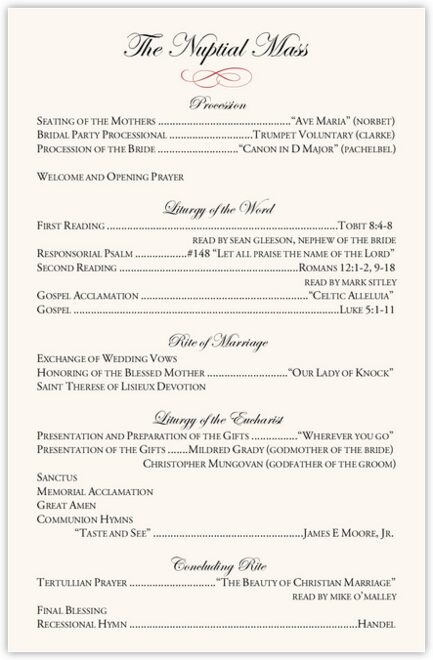
Poinsettia Christmas, Winter, and Holida Wedding Programs and Church
Poinsettia Frame Images The Graphics Fairy

How to Make a Paper Poinsettia Wreath AllFreePaperCrafts.com

The poinsettia (/p??n's?ti?/ or /p??n's?t?/) (Euphorbia pulcherrima) is a commercially important seed species of the diverse spurge family. The varieties is indigenous to Mexico. It really is particularly popular for its red and green foliage and is also trusted in Christmas floral shows. It derives its common English name from Joel Roberts Poinsett,[3] the first USA Minister to Mexico,[4] who introduced the plant to the united states in 1825.
Euphorbia pulcherrima is a shrub or small tree, typically getting a height of 0.6-4 metres (2 ft 0 in-13 ft 1 in). The seed bears dark renewable dentate leaves that solution 7-16 centimetres (2.8-6.3 in) in length. The coloured bracts--which 're normally flaming red but can be orange, pale green, cream, green, white, or marbled--are often recognised incorrectly as flower petals for their groupings and colors, but are leaves actually.[citation needed] The colors of the bracts are manufactured through photoperiodism, and therefore they might need darkness (12 hours at a time for at least five days in a row) to improve color. At the same time, the plant life require abundant light through the full day for the brightest color. The flowers of the poinsettia are unassuming and do not attract pollinators. They can be grouped within small yellowish structures found in the center of every leaf bunch, and are called cyathia. The poinsettia is native to Mexico. It really is found in the outrageous in deciduous exotic forests at average elevations from southern Sinaloa down the complete Pacific coast of Mexico to Chiapas and Guatemala. Additionally it is found in the inside in the hot, dry out forests of Guerrero seasonally, Oaxaca, and Chiapas. Records of E. pulcherrima growing in the open in Costa and Nicaragua Rica have yet to be confirmed by botanists. You can find over 100 cultivated types of poinsettia.
The plant was used by the Aztecs to produce red dye and as an antipyretic medication. In Nahuatl, the language of the Aztecs, the plant is called Cuitlaxochitl, meaning "flower that grows in residues or soil" Today it is well known in Mexico and Guatemala as Flor de Noche Buena, meaning Christmas Eve Flower. In Spain it is known as Flor de Pascua or Pascua, signifying Easter flower. In Chile and Peru, the herb became known as Crown of the Andes. In Turkey, it is called Atat?rk's flower because Atat?rk, the creator of the Republic, liked this rose and made a substantial contribution to its cultivation in Turkey.[citation needed] In Hungarian, it is named Santa Claus' Rose, and it's widely used as a Holiday decoration.
The plant's connection with Christmas started in 16th-century Mexico, where star tells of a girl, called Pepita or Maria commonly, who was too poor to provide a gift for the special event of Jesus' birthday and was motivated by an angel to assemble weeds from the roadside and place them before the church altar. Crimson blossoms sprouted from the weeds and became beautiful poinsettias. From the 17th century, Franciscan friars in Mexico included the plant life in their Christmas get-togethers. The star-shaped leaf structure is said to symbolize the Superstar of Bethlehem, and the red color represents the blood sacrifice through the crucifixion of Jesus. Poinsettias are popular Holiday decor in homes, churches, offices, and across THE UNITED STATES elsewhere. They can be purchased in good sized quantities from grocery, drug, and hardware stores. In the United States, December 12 is Country wide Poinsettia Day.
How to Care for Poinsettias: 5 Important Tipsgt; http://www.hgtv.com

How to Care For Poinsettias

All about poinsettias Tonkadale Greenhouse

Tuesday, November 15, 2016 at 7:49 PM

How to Make Your Poinsettias Last Longer

The poinsettia (/p??n's?ti?/ or /p??n's?t?/) (Euphorbia pulcherrima) is a commercially important place kinds of the diverse spurge family. The varieties is indigenous to Mexico. It really is especially popular for its red and green foliage and is also trusted in Xmas floral exhibits. It derives its common English name from Joel Roberts Poinsett,[3] the first USA Minister to Mexico,[4] who introduced the plant to the US in 1825.
Euphorbia pulcherrima is a shrub or small tree, typically getting a height of 0.6-4 metres (2 ft 0 in-13 ft 1 in). The plant bears dark green dentate leaves that strategy 7-16 centimetres (2.8-6.3 in) in length. The coloured bracts--which are most flaming red but can be orange often, pale green, cream, pink, white, or marbled--are often mistaken for bloom petals because of their groupings and colors, but are actually leaves.[citation needed] The colors of the bracts are created through photoperiodism, meaning that they require darkness (12 hours at a time for at least five days in a row) to change color. At the same time, the vegetation require considerable light during the day for the brightest color. The flowers of the poinsettia are unassuming and don't attract pollinators. They are really grouped within small yellowish structures found in the center of each leaf number, and are called cyathia. The poinsettia is indigenous to Mexico. It is found in the outrageous in deciduous tropical forests at moderate elevations from southern Sinaloa down the entire Pacific coast of Mexico to Chiapas and Guatemala. It really is found in the interior in the hot also, seasonally dry forests of Guerrero, Oaxaca, and Chiapas. Information of E. pulcherrima growing in the wild in Nicaragua and Costa Rica have yet to be validated by botanists. You will find over 100 cultivated varieties of poinsettia.
The Aztecs used the plant to produce red dye and as an antipyretic medication. In Nahuatl, the language of the Aztecs, the plant is called Cuitlaxochitl, meaning "flower that grows in residues or soil" Today it is well known in Mexico and Guatemala as Flor de Noche Buena, meaning Christmas Eve Flower. In Spain it is recognized as Flor de Pascua or Pascua, indicating Easter flower. In Chile and Peru, the place became known as Crown of the Andes. In Turkey, it is called Atat?rk's bloom because Atat?rk, the creator of the Republic, liked this bloom and made a substantial contribution to its cultivation in Turkey.[citation needed] In Hungarian, it is named Santa Claus' Blossom, and it's widely used as a Christmas decoration.
The plant's association with Christmas began in 16th-century Mexico, where star tells of a girl, called Pepita or Maria commonly, who was simply too poor to provide a present for the celebration of Jesus' birthday and was encouraged by an angel to gather weeds from the roadside and place them in front of the church altar. Crimson blossoms sprouted from the weeds and became beautiful poinsettias. From the 17th century, Franciscan friars in Mexico included the crops in their Christmas activities. The star-shaped leaf style is thought to symbolize the Celebrity of Bethlehem, and the red colorization represents the blood vessels sacrifice through the crucifixion of Jesus. Poinsettias are popular Christmas decorations in homes, churches, office buildings, and somewhere else across North America. They are available in good sized quantities from grocery, drug, and hardware stores. In the United States, December 12 is Country wide Poinsettia Day.
New Poinsettia Colors Bing images

recipe: different colors of poinsettias [19]
![recipe: different colors of poinsettias [19]](https://www.kremp.com/wp/wp-content/uploads/2015/12/The-Different-Colours-of-Poinsettias.jpg "recipe: different colors of poinsettias [19]")
Poinsettia says holiday in any color

Poinsettia Coloring Page AZ Coloring Pages

New Poinsettia Colors Poinsettias make holiday splash with..

The poinsettia (/p??n's?ti?/p or /??n's?t?/) (Euphorbia pulcherrima) is a commercially important herb kinds of the diverse spurge family. The species is indigenous to Mexico. It really is particularly well known for its inexperienced and red foliage and is also trusted in Xmas floral displays. It derives its common English name from Joel Roberts Poinsett,[3] the first USA Minister to Mexico,[4] who introduced the plant to the US in 1825.
Euphorbia pulcherrima is a shrub or small tree, attaining a height of 0 typically.6-4 metres (2 ft 0 in-13 ft 1 in). The vegetable bears dark green dentate leaves that solution 7-16 centimetres (2.8-6.3 in) in length. The colored bracts--which 're normally flaming red but can be orange, pale green, cream, pink, white, or marbled--are often recognised incorrectly as blossom petals because of their groupings and colors, but are leaves actually.[citation needed] The colors of the bracts are manufactured through photoperiodism, meaning that they require darkness (12 hours at a time for at least five days in a row) to change color. At the same time, the plant life require considerable light during the full day for the brightest color. The flowers of the poinsettia are unassuming , nor attract pollinators. They are really grouped within small yellow structures found in the center of every leaf number, and are called cyathia. The poinsettia is local to Mexico. It is found in the wild in deciduous tropical forests at average elevations from southern Sinaloa down the complete Pacific coast of Mexico to Chiapas and Guatemala. Additionally it is found in the inside in the hot, seasonally dry forests of Guerrero, Oaxaca, and Chiapas. Records of E. pulcherrima growing in the wild in Nicaragua and Costa Rica have yet to be established by botanists. There are over 100 cultivated types of poinsettia.
The plant was utilized by the Aztecs to produce red dye and as an antipyretic medication. In Nahuatl, the language of the Aztecs, the plant is named Cuitlaxochitl, meaning "flower that grows in residues or soil" Today it is known in Mexico and Guatemala as Flor de Noche Buena, meaning Christmas Eve Flower. In Spain it is recognized as Flor de Pascua or Pascua, meaning Easter flower. In Peru and Chile, the flower became known as Crown of the Andes. In Turkey, it is named Atat?rk's flower because Atat?rk, the creator of the Republic, liked this flower and made a significant contribution to its cultivation in Turkey.[citation needed] In Hungarian, it is named Santa Claus' Blossom, and it's trusted as a Christmas decoration.
The plant's connection with Christmas started out in 16th-century Mexico, where tale tells of a woman, commonly called Pepita or Maria, who was too poor to give a present for the special event of Jesus' birthday and was influenced by an angel to gather weeds from the roadside and place them in front of the cathedral altar. Crimson blossoms sprouted from the weeds and became beautiful poinsettias. From the 17th century, Franciscan friars in Mexico included the crops in their Christmas festivities. The star-shaped leaf routine is thought to symbolize the Star of Bethlehem, and the red color represents the blood sacrifice through the crucifixion of Jesus. Poinsettias are popular Holiday adornments in homes, churches, office buildings, and across North America anywhere else. They are available in large numbers from grocery, drug, and hardware stores. In america, 12 is Country wide Poinsettia Day dec.
So, don’t buy your Poinsettia’s from market stalls and draughty

Christmas Poinsettia House Plants GardenSite.co.uk

Poinsettias: Not Just For Christmas Anymore! North Park Nursery by

Poinsettias: Not Just For Christmas Anymore! North Park Nursery by

Poinsettia perfection: make sure your poinsettia gets plenty of sun

The poinsettia (/p??n's?ti?/p or /??n's?t?/) (Euphorbia pulcherrima) is a commercially important vegetable kinds of the diverse spurge family. The types is indigenous to Mexico. It really is specifically well known because of its renewable and red foliage and is also trusted in Christmas floral displays. It derives its common English name from Joel Roberts Poinsett,[3] the first United States Minister to Mexico,[4] who introduced the plant to the US in 1825.
Euphorbia pulcherrima is a shrub or small tree, typically attaining a level of 0.6-4 metres (2 ft 0 in-13 ft 1 in). The plant bears dark renewable dentate leaves that solution 7-16 centimetres (2.8-6.3 in) long. The colored bracts--which are most flaming red but can be orange often, pale green, cream, green, white, or marbled--are recognised incorrectly as flower petals for their groupings and colors often, but are leaves actually.[citation needed] The colors of the bracts are created through photoperiodism, and therefore they might need darkness (12 hours at a time for at least five days in a row) to improve color. At the same time, the plants require considerable light through the full day for the brightest color. The flowers of the poinsettia are unassuming , nor attract pollinators. They are simply grouped within small yellow structures within the center of every leaf bunch, and are called cyathia. The poinsettia is local to Mexico. It really is within the untamed in deciduous exotic forests at average elevations from southern Sinaloa down the whole Pacific coast of Mexico to Chiapas and Guatemala. It is found in the interior in the hot also, dry out forests of Guerrero seasonally, Oaxaca, and Chiapas. Studies of E. pulcherrima growing in the wild in Costa and Nicaragua Rica have yet to be verified by botanists. There are over 100 cultivated varieties of poinsettia.
The plant was employed by the Aztecs to produce red dye and as an antipyretic medication. In Nahuatl, the language of the Aztecs, the plant is called Cuitlaxochitl, meaning "flower that grows in residues or soil" Today it is well known in Mexico and Guatemala as Flor de Noche Buena, meaning Christmas Eve Flower. In Spain it is known as Flor de Pascua or Pascua, indicating Easter flower. In Chile and Peru, the seed became known as Crown of the Andes. In Turkey, it is called Atat?rk's flower because Atat?rk, the creator of the Republic, liked this flower and made a significant contribution to its cultivation in Turkey.[citation needed] In Hungarian, it is named Santa Claus' Bloom, and it's widely used as a Xmas decoration.
The plant's relationship with Christmas began in 16th-century Mexico, where legend tells of a girl, commonly called Pepita or Maria, who was simply too poor to give a present for the celebration of Jesus' birthday and was encouraged by an angel to assemble weeds from the roadside and place them before the cathedral altar. Crimson blossoms sprouted from the weeds and became beautiful poinsettias. From the 17th century, Franciscan friars in Mexico included the crops in their Christmas activities. The star-shaped leaf design is said to symbolize the Celebrity of Bethlehem, and the red color represents the blood vessels sacrifice through the crucifixion of Jesus. Poinsettias are popular Christmas decorations in homes, churches, office buildings, and in other places across North America. They can be purchased in good sized quantities from grocery, drug, and hardware stores. In america, December 12 is National Poinsettia Day.
Roses and Other Great Red Flowers for Your Garden Blooms Today

Theme of the day:how much water do poinsettias need

How to Look After a Poinsettia Plant Primrose Blog

Here are a couple of simple tips for caring for your Poinsettia:


